
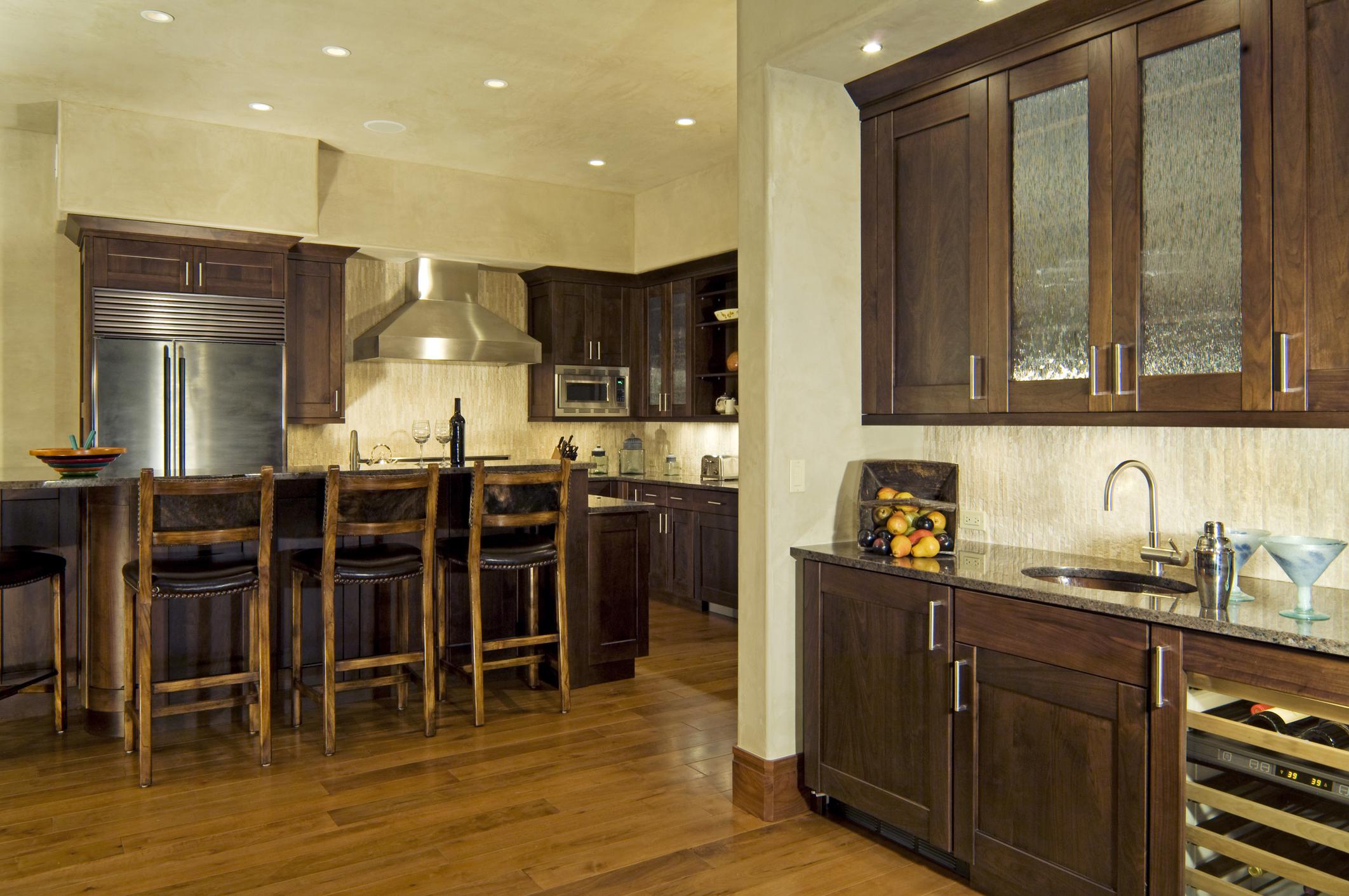
Kitchen remodels tend to be major undertakings, but well worth the effort when cooking and entertaining go from feeling like a chore to feeling like a joy. New appliances and countertops can transform the feel of the room, and a better layout can improve the flow of your entire cooking experience. But there is one addition that not all homeowners think to include: a second kitchen sink, also known as a prep sink.
It might seem like an extravagance, but a kitchen prep sink can give you a level of functionality and workflow efficiency that changes how you use the space every single day, not just during the holidays. This guide covers what a prep sink is, its real pros and cons, the best places to put one, and the plumbing considerations to plan for before you commit.
What Is a Kitchen Prep Sink?
A prep sink, also called a bar sink, island sink, or secondary sink, is a smaller, secondary sink installed separately from the main kitchen sink. It is typically shallower and more compact than the primary sink, designed for lighter-duty tasks rather than heavy dishwashing.
Common uses for a kitchen prep sink include:
- Rinsing and washing produce
- Filling pots with water close to the stove
- Handwashing without disturbing the main sink during a meal
- Draining pasta or rinsing small items
- Serving as a bar sink for drinks and entertaining
- Holding ice for beverages during parties
The defining characteristic is the separation of prep work from cleanup. When your main sink is full of soaking pots and dishes, the prep sink gives you a clean workspace to keep cooking without stopping to move everything.
Pros of Adding a Kitchen Prep Sink
1. Separates Prep from Cleanup. The most practical benefit of a kitchen prep sink is keeping two workflows independent of each other. One cook can wash produce and fill pots at the prep sink while another handles dishes at the main sink, no traffic jams, no negotiating for sink space.
2. Ideal for Multiple Cooks. If two people regularly cook together in your household, a second sink may be one of the highest-impact additions you can make. It effectively doubles the wet-work capacity of the kitchen without changing the overall footprint.
3. Reduces Cross-Contamination Risk. Keeping raw protein prep separate from produce rinsing is a genuine food safety benefit that a single sink cannot offer. A dedicated prep sink allows you to keep those tasks clearly separated.
4. Makes Entertaining Significantly Easier. A prep sink on a kitchen island puts a water source in the social center of the space, making it easy to rinse glasses, fill pitchers, and keep guests' drinks refreshed without walking back and forth to the main sink. Filled with ice, a prep sink basin makes a surprisingly effective beverage cooler.
5. Improves Kitchen Workflow and Zone Planning. Modern kitchen design is built around work zones, a prep zone, a cooking zone, and a cleanup zone. A prep sink anchors the prep zone with its own dedicated water source, which is especially useful when the main sink is across the kitchen from the stove.
6. Adds Value to the Home. A thoughtfully placed prep sink is considered a desirable feature by many buyers, particularly in larger homes where two-cook kitchens or entertaining-forward layouts are expected.
Cons of Adding a Kitchen Prep Sink
1. Loses Counter and Cabinet Space. Installing a sink in a kitchen island or countertop removes that surface from active use. For smaller islands, this can be a meaningful sacrifice. Below the sink, the base cabinet space is largely consumed by plumbing, limiting storage for the footprint taken.
2. Significant Plumbing Work May Be Required. If the prep sink location does not have existing plumbing nearby, running new supply lines and drain lines to that spot is a real project. Island sinks are particularly involved because the drain must be routed through the subfloor rather than the wall, which typically means more labor and potentially cutting into finished flooring. This is not a project to underestimate. Understanding the scope of plumbing installation before budgeting is important. Costs can range from a few hundred dollars for a simple countertop connection near existing plumbing to well over $1,000 for island installations with new lines.
3. Adds Ongoing Maintenance. A second sink is a second faucet, a second drain, and two more water supply connections, each of which can develop drips, clogs, or wear over time. Our early warning signs article covers what to watch for across all kitchen fixtures, including new additions. Slow drains in a prep sink should be addressed promptly. Our drain cleaning service handles kitchen drain buildup caused by grease and food particles.
4. The Location Is Permanent Once Plumbing Is Set. Unlike a freestanding island, once a sink is plumbed into a kitchen island, relocating it requires reopening the floor and re-running the drain. Be highly confident in the placement before committing.
5. Not Right for Every Kitchen. A prep sink makes the most sense for larger kitchens, households with multiple cooks, or homeowners who entertain frequently. If the kitchen is modest in size and only one person typically cooks, the counter space may serve you better than the additional sink.
Best Placement Ideas for a Kitchen Prep Sink
Kitchen Island
The island is the most popular and generally the most functional location for a prep sink. Placing it in the center of the kitchen makes water accessible from multiple sides, reduces walking during food prep, and keeps the cook facing the room rather than a wall, a big quality-of-life improvement when guests are present.
Placement tips for an island sink:
- Position the sink toward one end of the island rather than the center, preserving a continuous stretch of counter for prep work
- Keep it a comfortable distance from the main sink so both can be used simultaneously without crowding
- Consider the sight lines. Island sinks are visible from the entire kitchen, so a higher-end faucet finish pays aesthetic dividends here
Near the Stove
A prep sink positioned a few steps from the range is ideal if your primary use case is filling pots and keeping prep tasks close to cooking. This mirrors the classic professional kitchen layout where water is at arm's reach from the heat.
Kitchen Window Wall
If your kitchen has a view worth looking at, placing a second sink near the window wall means taking in the scenery while prepping produce or rinsing. This is a simple but genuinely enjoyable quality-of-life detail in a kitchen where you spend significant time.
Wet Bar or Entertaining Corner
If your kitchen opens to a dining or living area, a compact prep sink in the transition zone serves the space as a wet bar. This is the true bar-sink model: small, elegant, and positioned exactly where drinks are poured rather than where pots are boiled. If you tend to entertain, this placement keeps guests out of the main cooking zone while still giving you a water source in the hosting area.
Baking Station
Avid bakers benefit enormously from a small sink dedicated to their corner of the kitchen. Filling measuring cups, rinsing mixing bowls, and washing hands between steps all happen in the same zone without interrupting anyone else's workflow. A dedicated baking station with its own sink is the kind of thoughtful detail that makes a kitchen genuinely personal.
Plumbing Considerations Before You Commit
A kitchen prep sink is more plumbing-intensive than it might appear, and the costs and complexity vary significantly by placement. Here is what to think through:
- Proximity to existing plumbing. A prep sink added to a counter run that already has supply lines and a drain nearby is a much simpler project than one in a brand-new island location with no existing plumbing.
- Drain venting. Island installations require special venting solutions. An improperly vented drain is the primary cause of gurgling and slow drainage in island sinks after installation.
- Hot water access. If the prep sink is far from the water heater, there may be a wait for hot water. A dedicated recirculation line or a small point-of-use water heater under the island can solve this.
- Permit requirements. Most jurisdictions require a permit for new sink installations involving new drain and supply work. Your plumber will handle permitting as part of the project.
- Faucet hole drilling. If a countertop is already in place, your installer will need to cut a sink opening and faucet holes. Stone countertops require a specialty saw and careful planning.
For a broader sense of how to plan a kitchen remodel from a plumbing perspective, our how to add a bathroom article offers useful context on the planning and permitting process for adding new plumbing runs to an existing home. Much of the same logic applies.
A second sink can also affect your water bill slightly if it leads to higher overall household water use. Water-efficient faucet aerators on the prep sink keep that impact minimal. Our faucet services team can recommend and install WaterSense-rated faucets for both primary and secondary kitchen sinks.
If you are also thinking about a garbage disposal, outdoor connection, or smart water shutoff as part of your kitchen remodel, our smart plumbing devices guide is worth reading before finalizing your plans.
Is a Kitchen Prep Sink Worth It?
For most homeowners, the honest answer depends on three things:
- How often do you cook and with whom? Two regular cooks in the kitchen make a prep sink nearly essential. A solo cook in a smaller kitchen may find it unnecessary.
- How much do you entertain? If hosting is a significant part of your home life, the bar-sink function of a prep sink delivers consistent value across every gathering.
- Does the space support it? A large island or generous countertop run can absorb a prep sink without meaningful sacrifice. A small island may give up too much counter and cabinet space for the benefit to be worth it.
When the answer to at least two of those three is yes, a kitchen prep sink is typically well worth the investment in both daily usability and long-term home value.
For any questions about kitchen sink installation, prep sink plumbing, or connecting a new sink to your existing plumbing system, our licensed team is ready to help.
Call us at (844) 323-4650 or book an appointment online. You can also find a location near you.















 Your Privacy Choices