
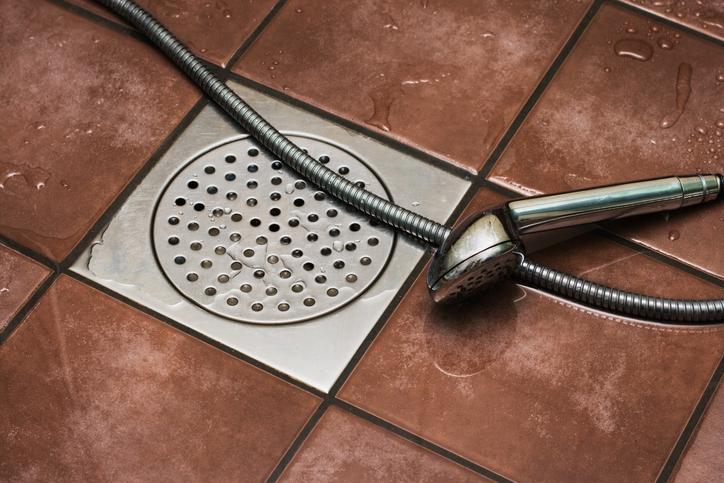
A shower should leave you feeling refreshed—not surrounded by unpleasant odors. If you’ve noticed a persistent smell coming from your shower drain, you’re not alone. A smelly shower drain is a common household plumbing issue, and the good news is that it’s often fixable.
In this guide, we’ll explain:
• The most common causes of shower drain odors
• Step‑by‑step solutions to eliminate the smell
• Prevention tips to keep your bathroom fresh
• When it’s time to call a professional plumber
What Causes a Shower Drain to Smell?
A foul odor coming from your shower drain usually points to one (or more) of the following issues:
1. Clogged Drain
Hair, soap scum, dirt, and body oils frequently collect inside shower drains. Over time, this buildup restricts water flow and creates the perfect environment for odor‑causing bacteria.
Common signs:
Slow draining water, standing water, recurring smells
2. Dirty or Clogged P‑Trap
The P‑trap is the curved pipe beneath your shower that holds water to block sewer gases. When this trap fills with debris, odors can travel back up through the drain.
3. Dry P‑Trap
If your shower isn’t used often, the water in the P‑trap can evaporate. Without that water barrier, sewer gas odors can enter your bathroom.
This can also happen when:
• A vent pipe is clogged or damaged
• Negative air pressure pulls water from the trap
4. Biofilm Buildup
Biofilm is a slippery layer of bacteria that naturally forms inside drains. It traps debris, smells unpleasant, and often resists basic rinsing.
5. Mold or Bacterial Growth
Warm, damp shower environments are ideal for mold and bacteria growth—especially when soap residue and hair are present.
Musty smell? Mold may be the culprit.
6. Leaking Drain Pipe
Cracks or loose connections beneath the shower can cause wastewater to leak under floors or behind walls, leading to unpleasant odors—and potential water damage.
How to Fix a Smelly Shower Drain (Step-by-Step)
Step 1: Identify the Odor
Understanding the smell helps pinpoint the solution.
• Musty or earthy odor: Often mold or mildew
• Rotten egg or sewage smell: Possible sewer gas issue—call a plumber
Step 2: Use Safe, Non‑Corrosive Cleaners
Avoid chemical drain cleaners—they can damage pipes and pose health risks.
Safer alternatives include:
• Baking soda and vinegar
• Hot water and dish soap
• Enzyme‑based drain cleaners
Remove and scrub the drain cover monthly using these solutions and a toothbrush.
Step 3: Remove Hair and Debris
Use a plumbing snake, drain claw, or wire hook to pull out hair clogs near the surface.
You can also visit our How to Get Hair Out of Your Drains for more expert tips.
Step 4: Schedule Professional Drain cleaning
If odors return, the clog or biofilm may be deeper in the line. Professional plumbers use specialized equipment to fully clear your drain without damaging pipes.
Step 5: Schedule an Inspection or Repair
Persistent smells may indicate venting issues, hidden leaks, or sewer line problems. A licensed plumber can diagnose and fix the issue before it worsens.
How to Prevent a Smelly Shower Drain
Prevent future odors with these best practices:
• Clean your shower drain monthly
• Install a hair‑catching drain strainer
• Run the bathroom exhaust fan during and after showers
• Use infrequently used showers periodically to keep the P‑trap full
• Schedule annual plumbing inspections
• Invest in routine professional drain cleaning
For more tips, check out 4 Ways to Clean Your Showerhead
Rid Your Shower Drain of Smell with Benjamin Franklin Plumbing
Don’t let foul drain odors ruin your shower experience. Get to the root of the problem with drain cleaning services from the licensed professionals at the Benjamin Franklin Plumbing near you.
Our experts use safe cleaners and methods and will address potential repairs or clogs. Call us today at (888) 982-0644 or book an appointment online.














 Your Privacy Choices