
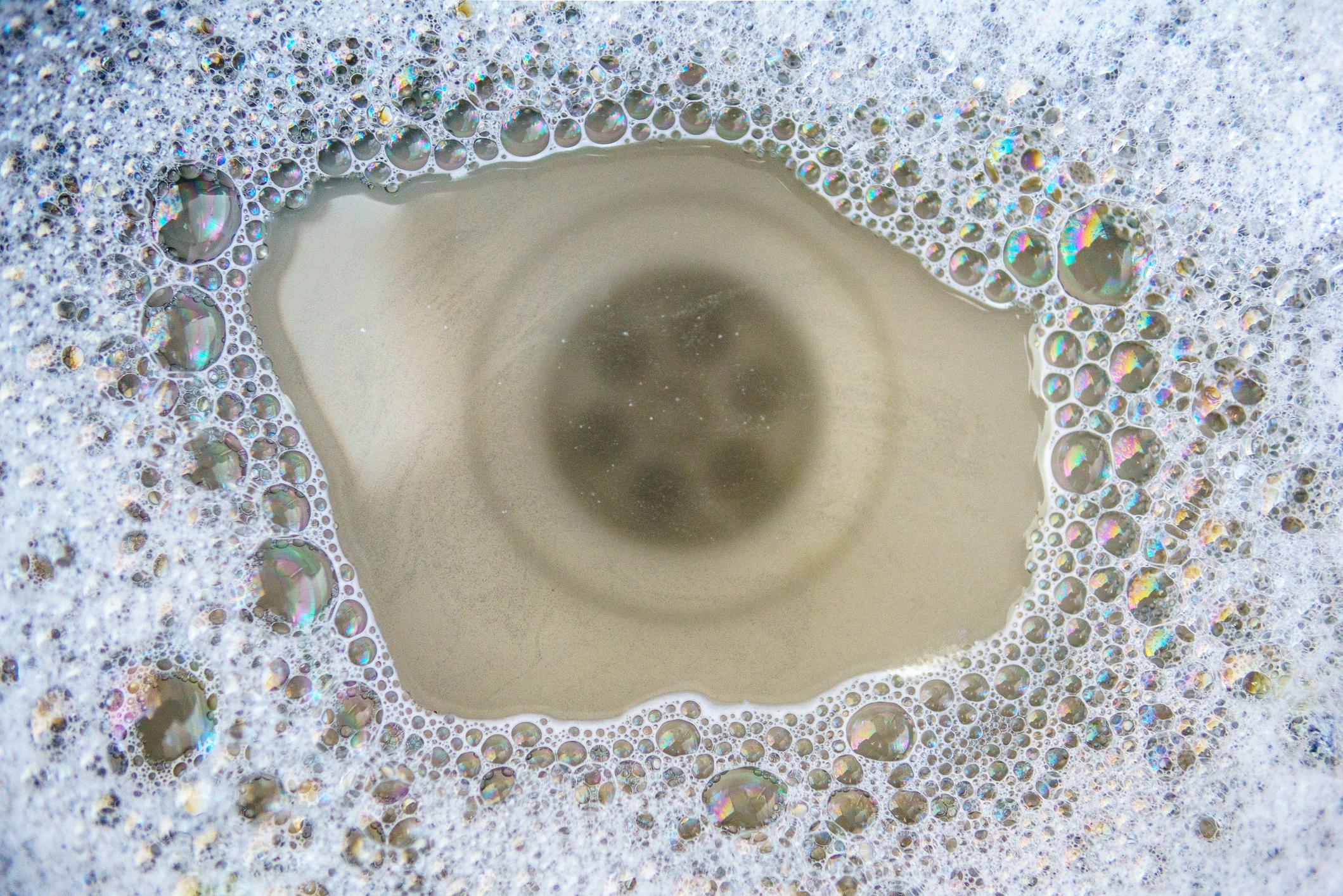
Clogged drains typically develop gradually, though some can occur suddenly due to foreign objects, heavy grease discharge, or sewer line issues. In most cases, problems build slowly over time until one day the water won’t drain at all. Recognizing the early signs and understanding the root causes can help you address issues before they turn into plumbing emergencies.
What Causes a Clogged Drain?
The most common clogged drain causes are grease buildup, hair and soap scum, mineral deposits, tree root intrusion, and damaged pipes. These materials accumulate over time, restricting water flow until a complete blockage occurs.
What Are the Signs of a Clogged Drain?
- Common signs of a clogged drain include:
- Slow draining water
- Standing water in sinks or tubs
- Gurgling or bubbling noises
- Foul or musty odors
- Multiple drains backing up
If multiple symptoms appear at once, the issue may be deeper in your plumbing system.
How Do You Fix a Clogged Drain?
To fix a clogged drain:
- Try a plunger to loosen debris
- Remove visible blockages (hair, food, buildup)
- Call a professional licensed plumber if the clog persists or returns
What Are the Most Common Clogged Drain Causes?
1. Grease and Food Buildup (Kitchen Drains)
Grease is one of the leading causes of clogged drains, especially when combined with food waste.
- Solidifies inside pipes after cooling
- Traps food particles and debris
- Gradually restricts water flow
2. Hair and Soap Scum (Bathroom Drains)
A major contributor to slow drain problems, bathroom drains frequently clog when hair mixes with soap residue, forming sticky blockages.
- Hair forms dense clumps
- Soap residue creates sticky buildup
- Reduces pipe diameter over time
3. Mineral Buildup from Hard Water
Common in many homes, hard water can leave mineral deposits inside pipes, gradually restricting water flow.
- Leaves calcium deposits inside pipes
- Narrows water pathways
- Leads to persistent slow drainage
4. Tree Root Intrusion (Sewer Lines)
A hidden but serious issue:
- Roots enter through small cracks or joints
- Expand inside the pipe as they grow
- Restrict or fully block water flow
- Can lead to pipe damage or collapse if untreated
5. Damaged or Misaligned Pipes
Structural issues often cause recurring clogs
- Sagging pipes trap debris
- Cracks disrupt flow
- Leads to repeated blockages
What Are the Early Warning Signs of a Clogged Drain?
A slow drain is the earliest indicator of a clog forming. A slow drain means a partial blockage is already present. Without action, it will eventually become a complete clog.
Additional key warning signs include:
- Minor gurgling sounds
- Occasional odors
- Intermittent backups
Safe DIY Tips for Clearing Minor Drain Clogs
For early or mild clogs, you can try:
- A sink plunger
- Removing visible debris from drain covers
- A mixture of baking soda and vinegar followed by hot water
Repeated or improper use of chemical drain cleaners—especially in older or metal piping—can contribute to pipe damage over time.
Drain Cleaner vs. Plumber: Which Should You Choose?
Chemical drain cleaners may offer temporary relief, but they often:
- Do not fully remove blockages
- Can corrode pipes over time
- May release harmful fumes
Why Hiring a Professional Licensed Plumber Is More Effective
Professional solutions address the root cause.
- Fully clears blockages
- Uses tools like augers, sectional drain machines, cameras, and hydro jetting
- Identifies causes and deeper issues (roots, pipe damage)
Recurring or persistent clogs may signal a deeper issue requiring professional help.
- Sewer line blockages
- Collapsed or broken pipes
- Tree root intrusion
- Heavy internal buildup
These problems require professional inspection and repair.
How to Prevent Clogged Drains
Daily Habits That Make a Difference
- Avoid pouring grease down the drain
- Dispose of food waste properly
- Use drain strainers in sinks and showers
Ongoing Maintenance Tips
- Flush drains with hot water regularly
- Clean drains monthly
- Schedule professional inspections
















 Your Privacy Choices